
How to Choose a Veterinarian: Finding the Right Vet for Your Pet
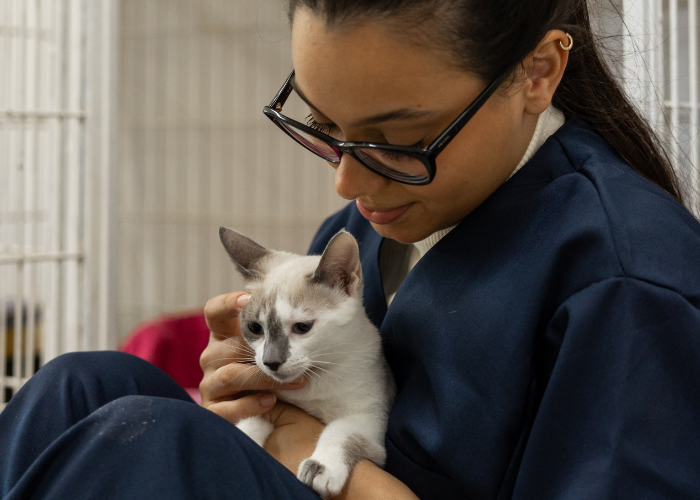
Choosing a veterinarian is one of the most important decisions you can make for your pet. Your family veterinarian will be your partner in keeping your dog or cat healthy throughout their life, from routine wellness exams to unexpected illnesses and more complicated medical needs.
Finding a veterinarian you trust before your pet becomes sick or injured can make an already stressful situation much easier.
How to Find a Veterinarian
There are several ways to find a veterinarian in your area.
Online listings and reviews can be helpful when researching local veterinary clinics, although reviews don't always tell the whole story. You can also ask for recommendations from people you trust, including family, friends, and neighbors.
If you adopted your pet from a breeder, animal shelter, or rescue organization, ask whether they have veterinarians they recommend or regularly work with. They may be able to provide names of veterinary clinics that are familiar with the needs of pets like yours.
Once you have a few options, take some time to learn more about each veterinary practice.
What Should You Look for in a Veterinarian?
There are many factors to consider when choosing a family veterinarian. Think about what matters most to you and your pet.
For example:
Location: Is the veterinary clinic conveniently located near your home or workplace?
Practice size: Do you prefer a small veterinary practice or a larger clinic with more services?
Veterinary team: Do the veterinarian and staff make you feel comfortable and welcome?
Experience: How long has the veterinarian been practicing?
Communication: Does the veterinarian listen to your questions and explain things in a way you understand?
Your pet's comfort: How does your pet respond to the veterinarian and the clinic environment?
Services: Does the practice provide the routine veterinary care your pet needs?
Ultimately, choosing a veterinarian is about finding a veterinary team that you and your pet can feel comfortable with and trust.
Use Your Pet's First Visit to Get to Know the Veterinarian
Your pet's first veterinary visit is an opportunity to determine whether the veterinarian is a good fit for your family.
If possible, establish this relationship while your pet is healthy. That way, you aren't trying to choose a veterinarian for the first time when your pet is sick and you feel pressured to take the first appointment available.
Keep in mind that some pets simply don't enjoy going to the veterinarian. Even with an excellent veterinarian and friendly staff, your pet may be uncomfortable around strangers, new environments, unfamiliar smells, or other animals.
If your pet is nervous at the veterinary clinic, use your best judgment to determine whether you feel comfortable with the veterinarian and their team.
Regular veterinary visits can also help your pet become more familiar with the clinic. When visits don't involve painful or uncomfortable procedures, your pet may gradually become more comfortable with the veterinarian and staff.
Why Every Pet Should Have a Family Veterinarian
As soon as you bring a new pet into your family, it's a good idea to establish a relationship with a veterinarian.
Even if your newly adopted pet has already been vaccinated or examined by a shelter or rescue organization's veterinary team, schedule an appointment with your family veterinarian within the first one to two weeks of bringing your pet home.
This first visit allows your veterinarian to meet your new family member and establish a baseline for your pet's health. That information can be valuable later if your pet develops an illness or other health concern.
Your veterinarian can also become an important resource for questions about:
Nutrition and feeding
Supplements
Grooming
Exercise and activity
Training
Preventive care
Vaccinations
Parasite prevention
Other age-appropriate health needs
Having a trusted veterinarian before a problem develops means you already know who to call when you need help.
Why Regular Veterinary Exams Matter
Your pet should generally have a wellness exam with your family veterinarian at least once a year, although older pets may need to be seen more frequently.
Annual veterinary exams aren't just about vaccinations or renewing medications.
Regular exams give your veterinarian an opportunity to identify potential health problems in their early stages. Early detection may allow for simpler diagnosis and treatment before a problem becomes more advanced, more difficult to manage, or more expensive to treat.
Your pet's health needs also change throughout their life. Their nutrition, activity level, disease prevention, and other care needs may be different as they move from kitten or puppyhood into adulthood and eventually their senior years.
Regular veterinary visits allow your veterinarian to adjust recommendations as your pet ages.
Veterinary medicine is also constantly changing. New research, medications, treatments, nutritional recommendations, and preventive care options become available over time. Regular conversations with your veterinarian can help ensure your pet's care reflects current veterinary knowledge.
Your Veterinarian Can Help You Navigate Pet Health Information
Pet owners today have access to an enormous amount of information. While that can be helpful, it can also be overwhelming.
Friends, social media, websites, advertisements, and online forums can all offer different opinions about what your pet needs.
Having a trusted relationship with your veterinarian and their team gives you a resource for evaluating that information. Your veterinarian can help you understand which recommendations are appropriate for your individual pet, based on their age, health, lifestyle, and other factors.
Your Family Veterinarian Can Help When Your Pet Needs More Care
Your family veterinarian can provide most of your pet's routine and preventive care, but there may be times when your pet needs emergency or specialty veterinary care.
A trusted family veterinarian can help guide you toward other veterinary professionals they know and trust, including:
Emergency veterinary hospitals
Veterinary specialists
Veterinary surgeons
Veterinary rehabilitation professionals
Other specialized veterinary services
Developing these relationships before you need them can make it easier to make decisions during a stressful medical situation. If you're unsure whether your pet needs emergency care, our guide Emergency Vet or “Let’s Wait and See”? How to Know What Your Pet Needs can help you recognize when it may be time to seek emergency veterinary care.
Building a Veterinary Relationship Can Benefit Your Pet for Life
Choosing a veterinarian isn't just about finding a clinic for annual vaccinations. It's about developing a long-term relationship with someone who can partner with you throughout your pet's life.
A trusted family veterinarian can help you recognize changes in your pet's health, answer questions, provide preventive care, and connect you with additional veterinary resources when needed.
Most importantly, establishing that relationship before your pet becomes sick means you don't have to navigate an emergency or serious health concern alone. If your pet does need emergency care, knowing what options are available can also help you feel more prepared. Our guide, Can't Afford Emergency Vet Care? Here's What You Can Do, offers practical steps for managing the cost of unexpected veterinary care.
At Sage Compassion for Animals, we believe access to veterinary care and trusted veterinary guidance are important parts of keeping pets safe, healthy, and with the families who love them.