
Summer Pet Safety: Common Foods That Can Send Your Pet to the Emergency Vet
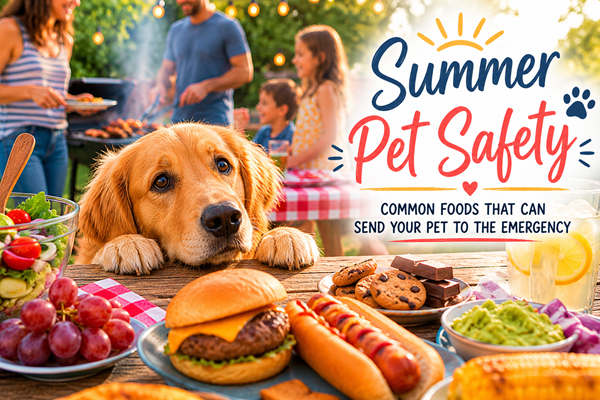
Summer is a season filled with backyard barbecues, picnics, frozen treats, and outdoor adventures. While many of our favorite seasonal foods are safe for humans, some can pose serious health risks to our pets.
Just ask Minnie.
Minnie once found herself on the way to a veterinary emergency clinic after eating an entire box of strawberry ice cream bars. A freezer door had accidentally been left open, causing the box to fall directly into Minnie's waiting paws (and jaws). When Minnie’s pet parent arrived home, the first clue that something was wrong was that Minnie smelled like strawberry shortcake. Her white fur was covered head to toe in pink ice cream.
Thankfully, after a visit to their veterinarian, Minnie was okay.
But the experience was an important reminder that curious pets can get into trouble quickly. Veterinarians regularly see pets who have eaten foods that seemed harmless at the time but resulted in illness, intestinal blockages, or emergency veterinary visits.
Knowing which foods to avoid can help keep your pet safe and prevent an unexpected trip to the emergency clinic.
Why Summer Brings More Food-Related Pet Emergencies
Summer often means more opportunities for pets to access foods they shouldn't eat. Outdoor gatherings, cookouts, family events, and vacations can increase the chances of dropped food, unattended plates, overflowing trash cans, and curious pets helping themselves.
Many emergency veterinary visits during the summer involve food-related incidents, ranging from mild stomach upset to life-threatening conditions.
Here are some common foods that veterinarians recommend keeping away from your pets.
Common Summer Foods That Can Be Dangerous for Pets
Ice Cream
On a hot summer day, it can be tempting to share a frozen treat with your pet.
Unfortunately, ice cream is designed for human enjoyment, not for dogs or cats. Many varieties contain ingredients that can cause digestive upset, and some flavors may include ingredients that are toxic to pets.
Pet-Friendly Alternatives
Instead, consider offering:
Blueberries
Strawberries
Seedless watermelon
You can even make a simple frozen treat by blending watermelon with a small amount of plain yogurt and freezing it into bite-sized portions.
Corn Cobs
Corn itself is not toxic to pets, but corn cobs can be extremely dangerous.
Dogs frequently swallow corn cobs whole or in large pieces. Because cobs cannot be digested, they can become lodged in the stomach or intestines and create a blockage that often requires surgery.
If your pet swallows a corn cob, contact your veterinarian immediately.
Bones
Bones are another common summertime hazard.
Whether from ribs, chicken wings, steaks, or other cookout favorites, bones can cause:
Choking
Intestinal blockages
Tears or damage to the digestive tract
Mouth and tooth injuries
Some pets can swallow an entire bone much faster than owners realize, making proper disposal especially important.
Raw Meat
Raw meat can expose both pets and people to harmful bacteria such as Salmonella and E. coli.
These bacteria can cause foodborne illness in pets and may also contaminate household surfaces, increasing risks for human family members.
Cooked meat without bones is generally a safer choice.
Grapes and Raisins
Many pet owners are surprised to learn that grapes and raisins are toxic to dogs.
Even small amounts can potentially cause:
Kidney injury
Kidney failure
Serious illness
Because there is no known safe amount, grapes and raisins should never be offered to pets.
Chocolate
Chocolate contains caffeine and theobromine, compounds that pets cannot process effectively.
Chocolate toxicity can cause:
Vomiting
Diarrhea
Elevated heart rate
Tremors
Seizures
The darker the chocolate, the greater the risk.
Keep chocolate treats, candy, and s'mores well out of reach.
Alcohol
No amount of alcohol is safe for pets.
In addition to alcoholic beverages, remember that alcohol may also be found in:
Tiramisu
Rum cakes
Alcohol-infused desserts
Certain sauces and marinades
Even small amounts can cause serious health problems.
What Should I Do If My Pet Eats Something Dangerous?
If your pet consumes a potentially toxic food or swallows a foreign object such as a bone or corn cob:
Contact your veterinarian immediately
Follow your veterinarian's recommendations
Seek emergency veterinary care if your pet is vomiting, lethargic, painful, having difficulty breathing, or unable to keep food down
When it comes to toxic foods and intestinal blockages, early intervention can make a significant difference in outcomes.
Keep Your Pets Safe This Summer
A little prevention goes a long way. By understanding which foods can be dangerous and keeping tempting treats out of reach, you can help your pets enjoy a safe, healthy summer filled with the adventures they love.
At Sage Compassion for Animals, we know unexpected veterinary emergencies can happen to any family. Through education, awareness, and access to care, we work to help pets stay healthy and with the people who love them.