
Is Your Dog a Weekend Warrior? How to Prevent Injuries and Keep Your Dog Healthy
Full confession: I’ve been a weekend warrior myself, squeezing all my exercise into a couple of intense days instead of staying active throughout the week. It wasn’t great for my body, and yes, I ended up with injuries (I’ll spare you the list).
Ironically, I was often better at protecting my dog than myself. And that’s exactly the point, there are things we can do to help our dogs live their best, healthiest lives without unnecessary injury.
What Does “Weekend Warrior” Mean for Dogs?
In people, the term weekend warrior describes someone who is mostly sedentary during the week and then suddenly engages in intense physical activity. This pattern is linked to a higher risk of strains, sprains, and joint injuries due to poor conditioning, lack of warm-up, and insufficient recovery time.
Dogs can experience the same problem.
Bringing your dog to the park for an all-out play session can be the canine equivalent of jumping into a full-contact football game. Jogging with your dog is… well, jogging, and dogs don’t always know when to slow down, even if they’re sore or tired.
Everyday activities can also be surprisingly demanding:
Jumping in and out of cars
Leaping on and off furniture
Running up and down stairs
For a small dog, like a Chihuahua, jumping onto the couch can be the equivalent of a high jump. Evaluating your dog’s physical condition is essential before assuming they’re ready for intense activity.
Is Your Dog Physically Fit for Exercise?
A dog’s ability to exercise safely depends on several factors:
Age
Breed
Weight
Consistency of activity
Underlying medical conditions
Here’s a critical stat: nearly 60% of dogs in the U.S. are overweight or obese.
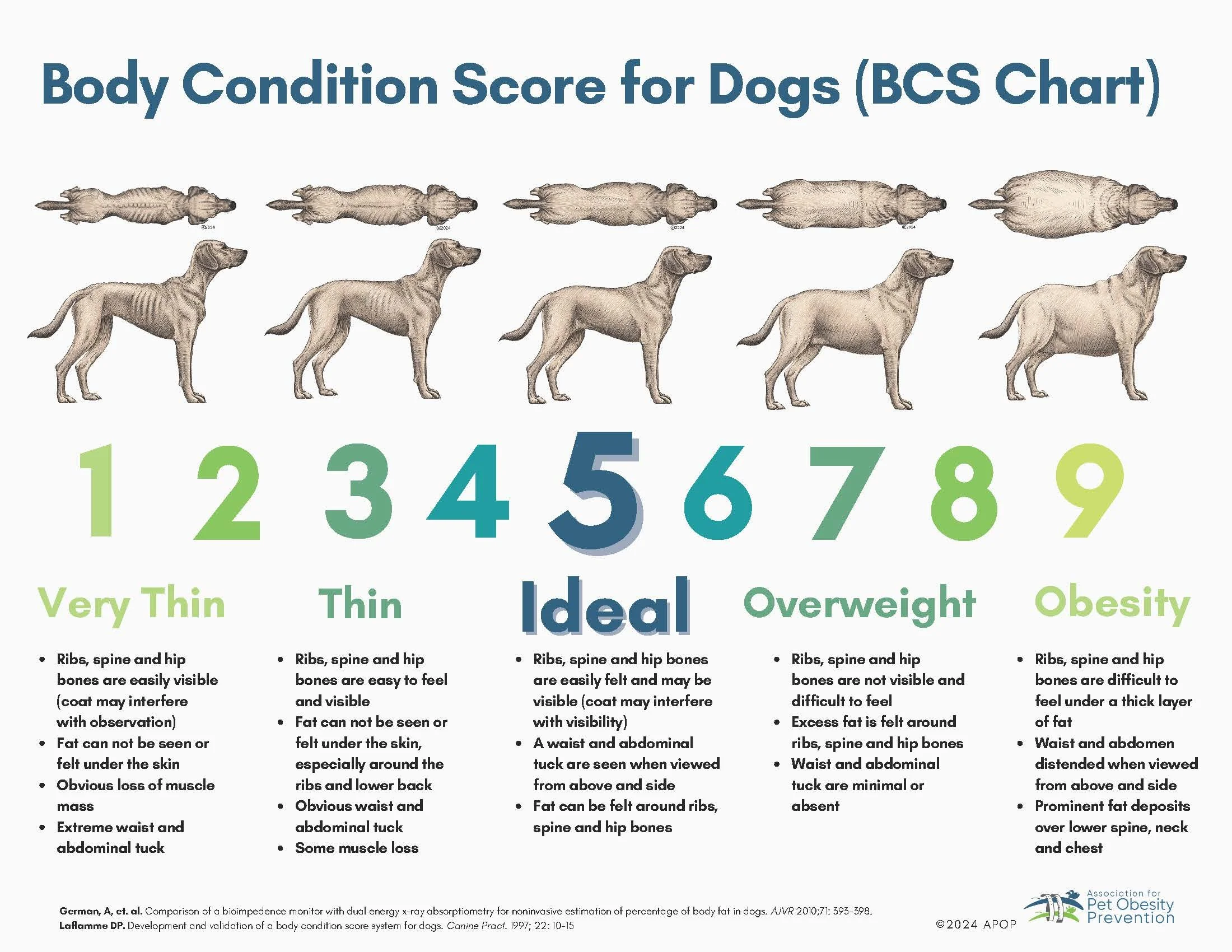
Breed-specific “ideal weights” vary widely, so instead of focusing on the scale, veterinarians recommend using Canine Body Condition Charts. Your dog is likely at a healthy weight if:
You can easily feel (but not see) their ribs
They have a visible waist when viewed from above and the side
If your dog’s body looks more like a Tootsie Roll, they’re carrying extra weight, and that increases injury risk.
How Weight and Arthritis Affect Your Dog’s Mobility
Conditions like osteoarthritis make exercise more challenging and more important. While medications and supplements help manage pain, maintaining a healthy weight is one of the most effective treatments available.
In fact, studies show that reducing a dog’s weight by just 10% can significantly improve lameness in dogs with arthritis.
The best approach?
Short, frequent walks instead of long, sporadic ones
Consistent movement to maintain muscle strength
Strong muscles to better support joints
In some cases, veterinarian-guided physical rehabilitation can help dogs lose weight safely while reducing arthritis pain.
Why “Weekend Warrior” Injuries Are Hard to Spot
Sprains and strains are notoriously difficult to diagnose, even for veterinarians. Dogs are incredibly good at masking discomfort, and signs can be subtle:
Mild limping after exercise
Soreness that improves during the week
Lameness that flares up again after activity
This cycle of reinjury is common. Something as simple as running to the door when someone knocks can undo healing progress.
Rest is the primary treatment for sprains and strains, and healing typically takes 4–6 weeks, similar to humans. Many dogs (and people!) feel better after 1–2 weeks, which makes it tempting to jump back into activity too soon.
Don’t give in.
Incomplete rest often leads to recurring injuries that are frustrating for pet owners, and difficult for veterinarians to resolve. Working closely with your veterinarian to get a proper diagnosis and a clear treatment plan is key.
How to Prevent Injuries in Active Dogs
Whether your dog loves the dog park or jogs with you regularly, a few simple strategies can significantly reduce injury risk:
Before activity
Walk your dog on a leash for 2–5 minutes as a warm-up
After activity
Walk again as a cool-down, especially before car rides
During exercise
If your dog starts lagging behind, slow down or stop immediately
Avoid forcing tired dogs to “push through”
At home
Use a harness to help dogs jump down from high surfaces
Reduce repetitive high-impact movements when possible
Think of Your Dog as an Athlete
Even if your dog isn’t training for agility or a sport, viewing them as an athlete can change how you approach their care. Conditioning, consistency, recovery, and injury prevention matter just as much for family pets as they do for working or sporting dogs.
By avoiding the “weekend warrior” trap and focusing on regular, manageable exercise, you can help your dog stay strong, comfortable, and injury-free, and enjoy more healthy adventures together.